Empowering Through Water
Measured impact our donors are having in Mali through Water Systems




SUMMARY
1. Access becomes a reality for every child
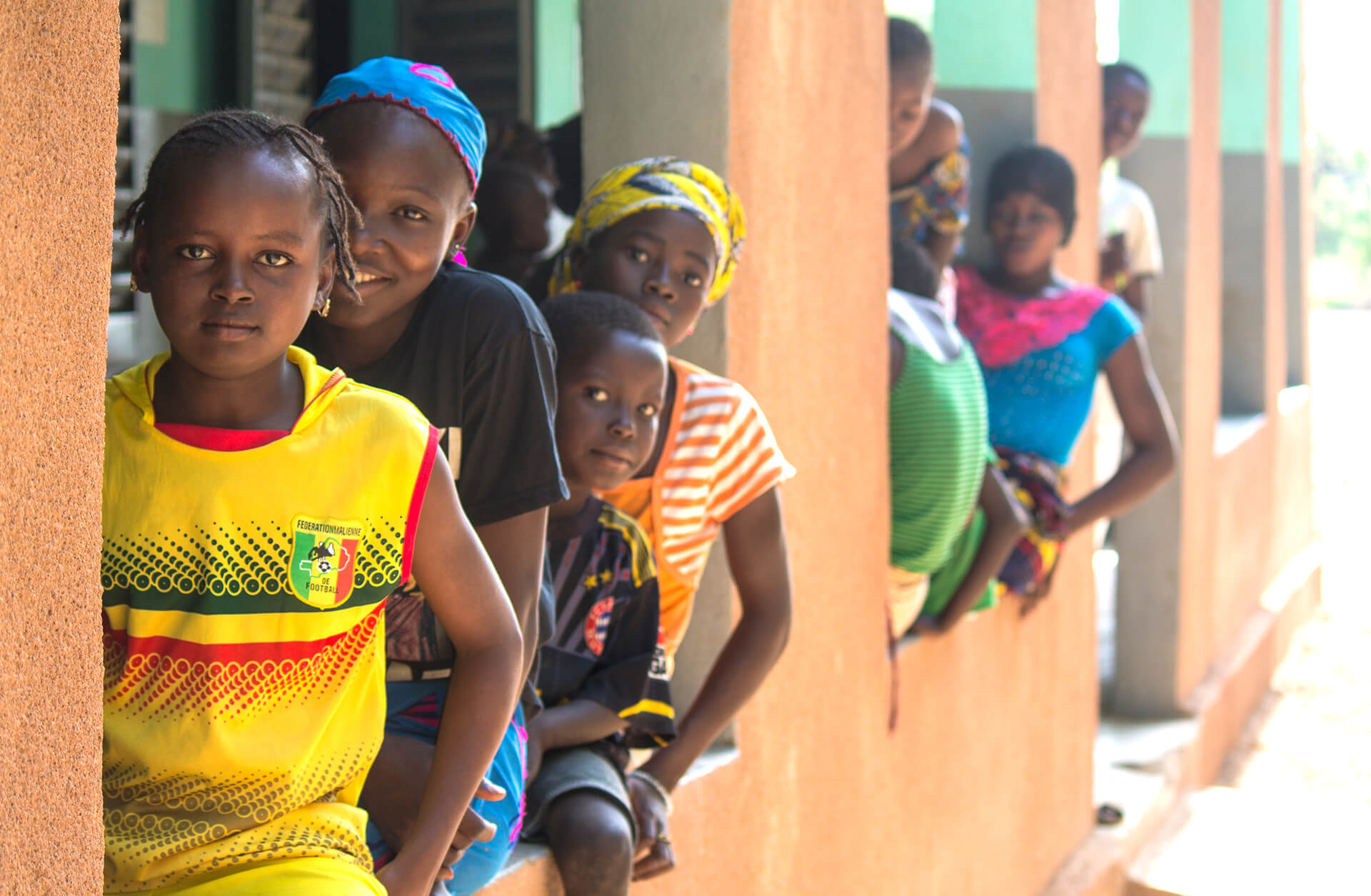
Children who once faced long, unrealistic journeys to school can now attend classes within their own village. Education becomes part of their daily life instead of something out of reach.
2. Students can continue their education past primary school
With local middle schools in place, students have a clear path forward instead of stopping after primary education. This creates consistency and momentum in their learning journey.
3. High school completion rates increase dramatically
Communities that previously saw low graduation rates experience significant improvement. More students stay on track and reach meaningful educational milestones.
4. Girls are able to stay in school and build stronger futures
Safe, nearby classrooms and appropriate facilities make it possible for more girls to continue their education. This leads to greater independence, delayed marriage, and long-term impact within families.
5. Communities grow stronger through shared investment in education
Each school becomes a center of progress and pride. Increased enrollment, lower dropout rates, and local involvement contribute to long-term stability and growth for the entire village.
Improving Literacy in West Africa
How Bringing Education to Rural Mali is Closing the Gender Gap and Improving Education and Literacy for the Rising Generation
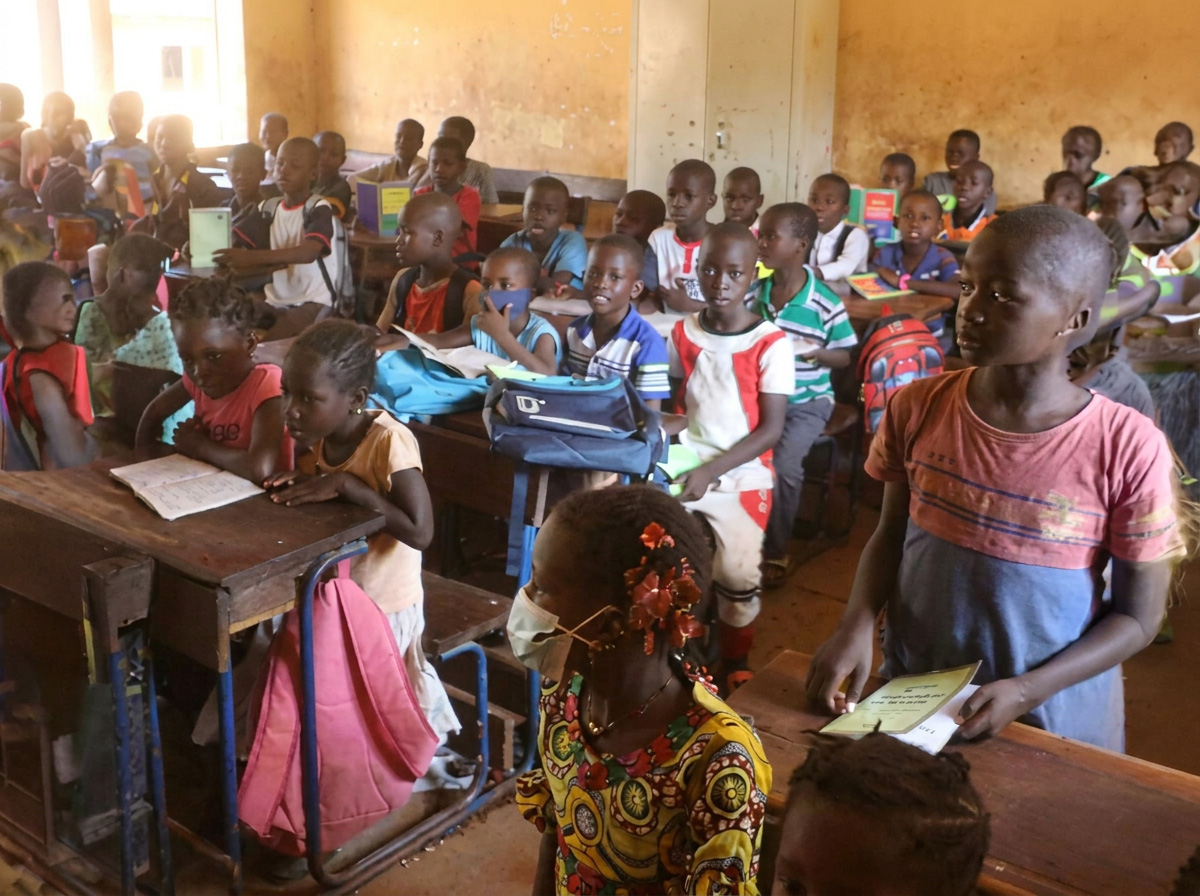
Empower Mali is transforming access to education in rural Mali by building permanent, community-owned schools where none previously existed. In many villages, children were forced to walk long distances to attend overcrowded schools or were unable to attend at all. Empower Mali’s school-building program directly addresses that gap by creating durable, functional learning environments designed to serve generations of students.
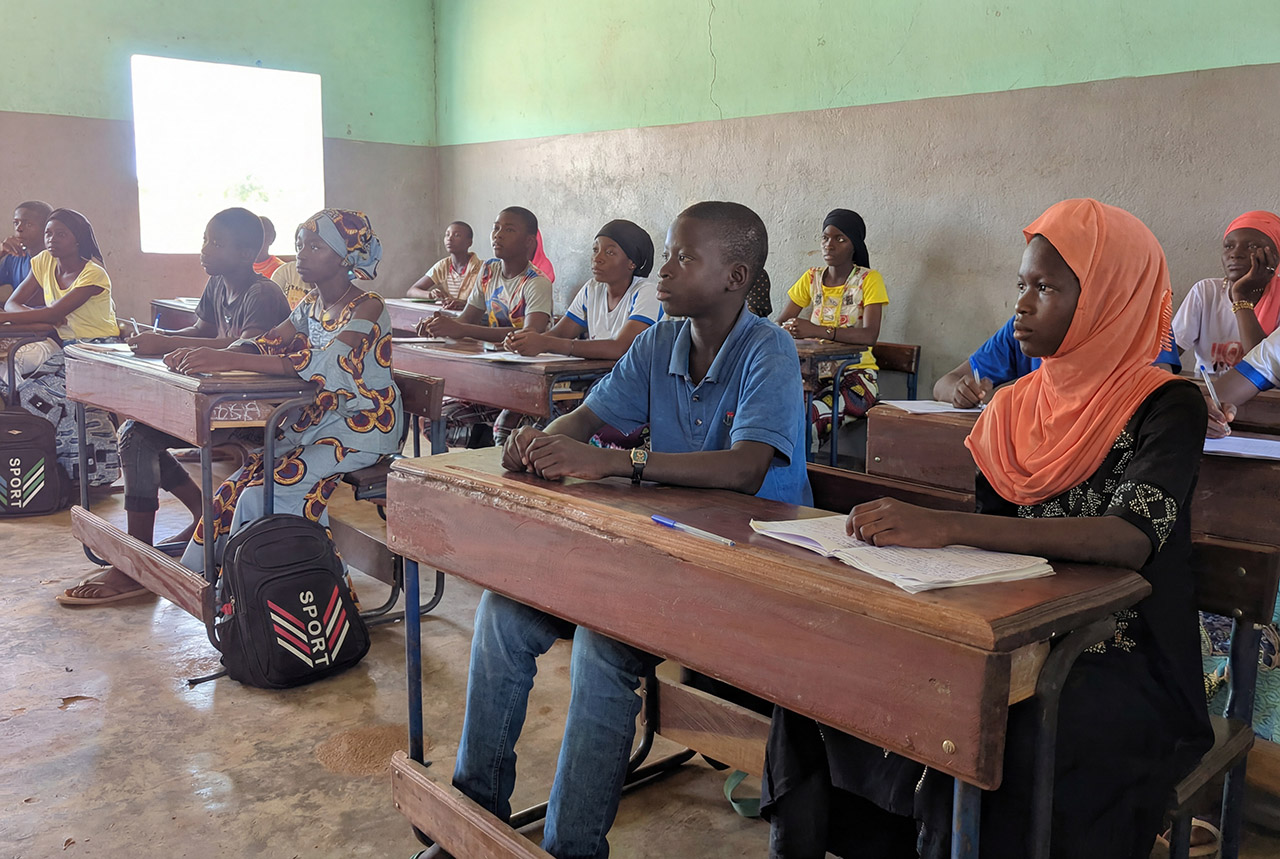
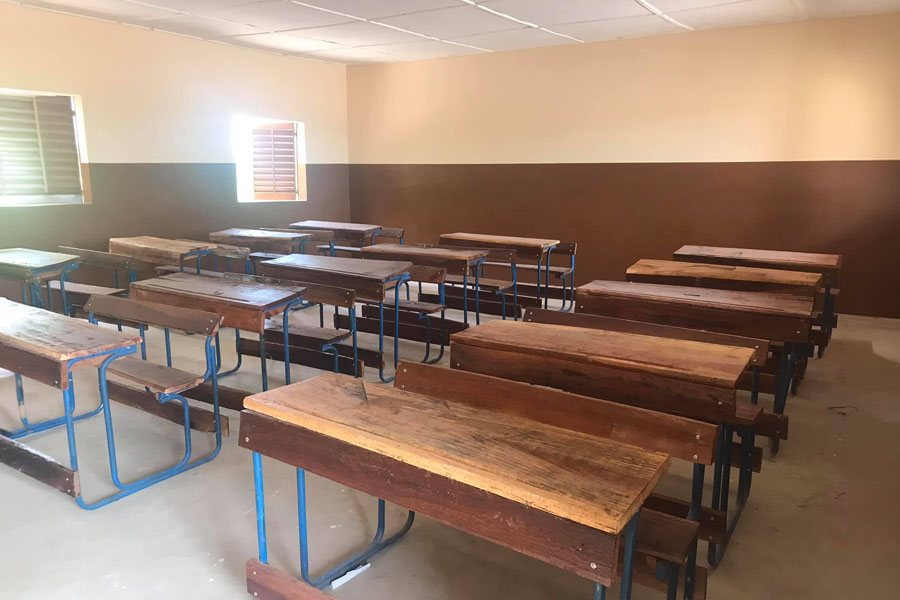
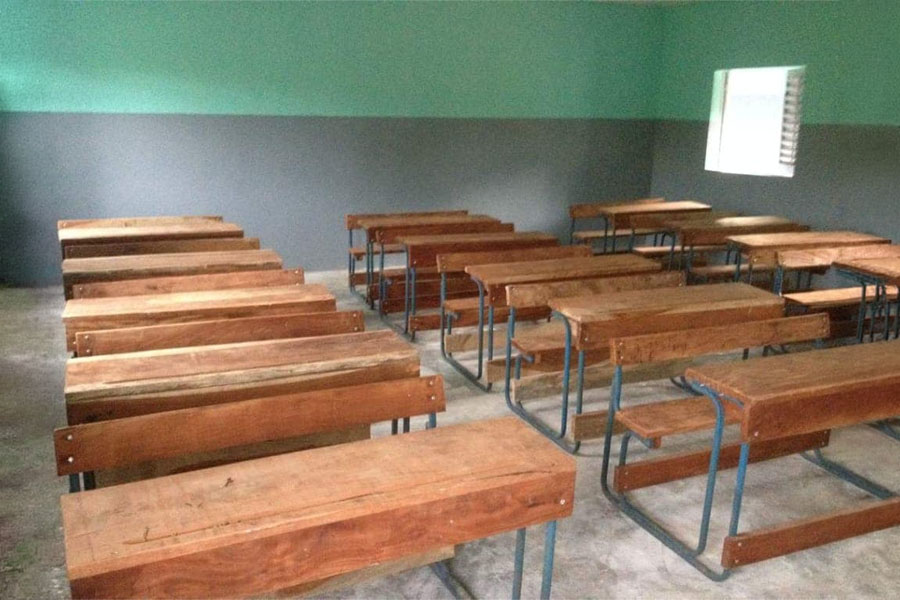
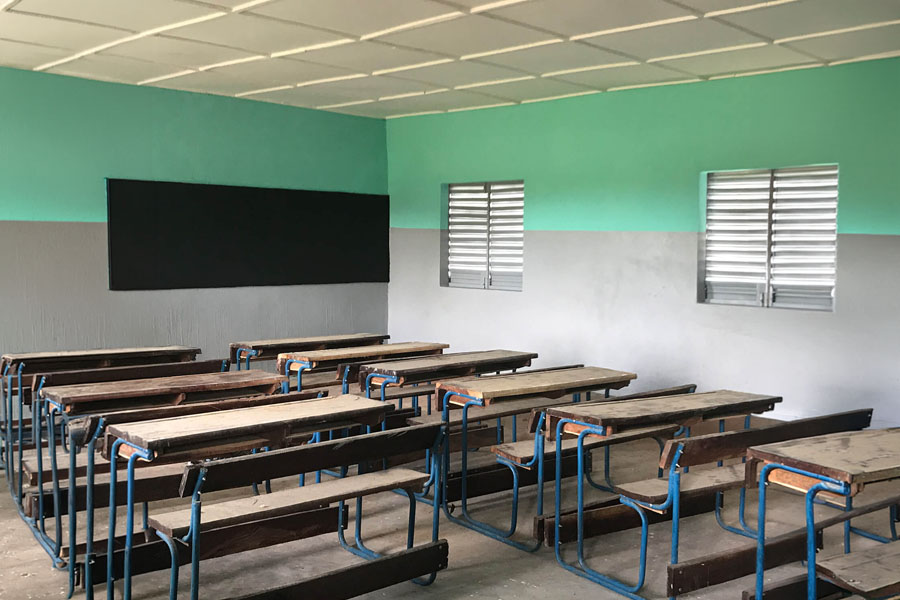
Empower Mali focuses primarily on constructing three-classroom school buildings, most often serving middle school–age students in grades 7 through 9, with some projects supporting primary and early education levels as well. Each school is thoughtfully designed to meet real community needs and typically includes:
- 3 fully enclosed classrooms
- Administrative and storage space
- Separate latrines for girls and boys
- Desks, blackboards, and basic learning infrastructure
Investing in Lasting Impact: Thousands of Students Reached
To date, Empower Mali has completed 22 schools, resulting in a confirmed total of 66 classrooms built across rural Mali. Each school can serve approximately 150 students at a time, meaning these classrooms collectively support thousands of children every year, many of whom would otherwise have no access to formal education. Members of the board participated in building another 17 schools prior to the founding of Empower Mali, bringing the total number of schools built to 39 and the total number of classrooms to 117.
The schools are located in underserved rural villages across Mali, including communities in and around regions such as Oueléssébougou and Sikasso. These are places where educational infrastructure is limited, but community commitment is strong.
Local Partnership Builds Long-term Sustainability
A defining feature of Empower Mali’s approach is local partnership. Villages contribute land and labor, about 20 percent of the project cost, while the Malian government commits to providing teachers and covering ongoing salaries. This shared responsibility ensures long-term sustainability and local ownership.
Construction is intentionally efficient and locally sourced. Schools are typically completed in about three months using durable materials suited to the climate, such as adobe with protective finishes. This approach allows Empower Mali to stretch donor dollars further while creating buildings that last.
Beyond bricks and mortar, these schools create ripple effects. When a school is built, enrollment rises, dropout rates fall, and girls are more likely to continue their education because safe, nearby classrooms make attendance possible. Many projects are also paired with complementary investments like teacher housing, water access, or solar power, further strengthening educational outcomes.
Each contribution helps turn an empty plot of land into a place where learning, opportunity, and community pride take root and grow.
What Happens After a School is Built?
In many rural areas of Mali, the average percentage of students who go on to graduate from high school hovers around 33 percent. For girls in particular, that number can be even lower due to distance, safety concerns, early marriage, and lack of access to middle school education. When there is no nearby school to bridge the gap between primary and secondary education, students, especially young women, often leave the system permanently.
Where Empower Mali builds, outcomes improve.
By placing permanent, three-classroom middle schools directly inside underserved villages, students no longer face the barrier of traveling long distances to continue their education. The result is measurable and immediate. Graduation progression rates in Empower Mali communities often double or even triple compared to regional averages. In communities where only one in three students might otherwise complete high school, that number rises dramatically once a local school exists.
Building Opportunities for Young Women
The majority of students who continue their education because of these new schools are young women, girls who would otherwise have stopped attending after primary school. When a middle school is within walking distance, families are more willing to allow daughters to continue their studies. Safe facilities, separate latrines, and stable classroom environments remove key obstacles that historically kept girls at home.
Education for these young women changes entire communities. Girls who graduate are more likely to delay marriage, pursue careers, reinvest in their families, and prioritize education for the next generation. The impact extends far beyond a single student and shifts the trajectory of families and villages.
For donors, this means your support does more than construct buildings. It directly contributes to doubling and tripling high school completion pathways in rural Mali and expands access for young women who otherwise would not have had the opportunity to continue their education.
Every classroom built is more than a room with desks. It is a multiplier of opportunity.
Featured Projects
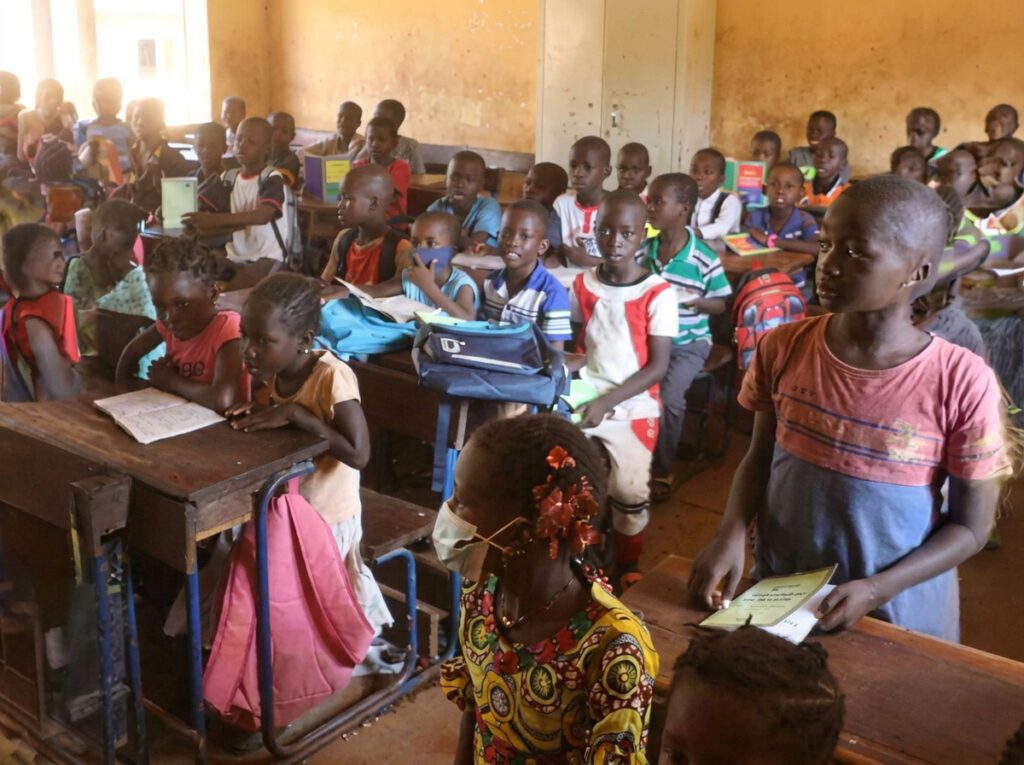
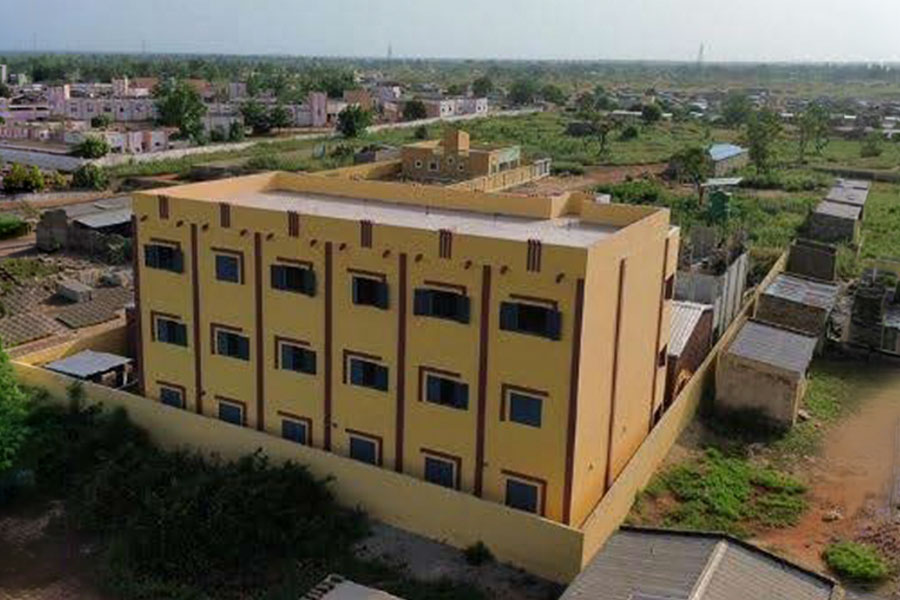
- N'Gana
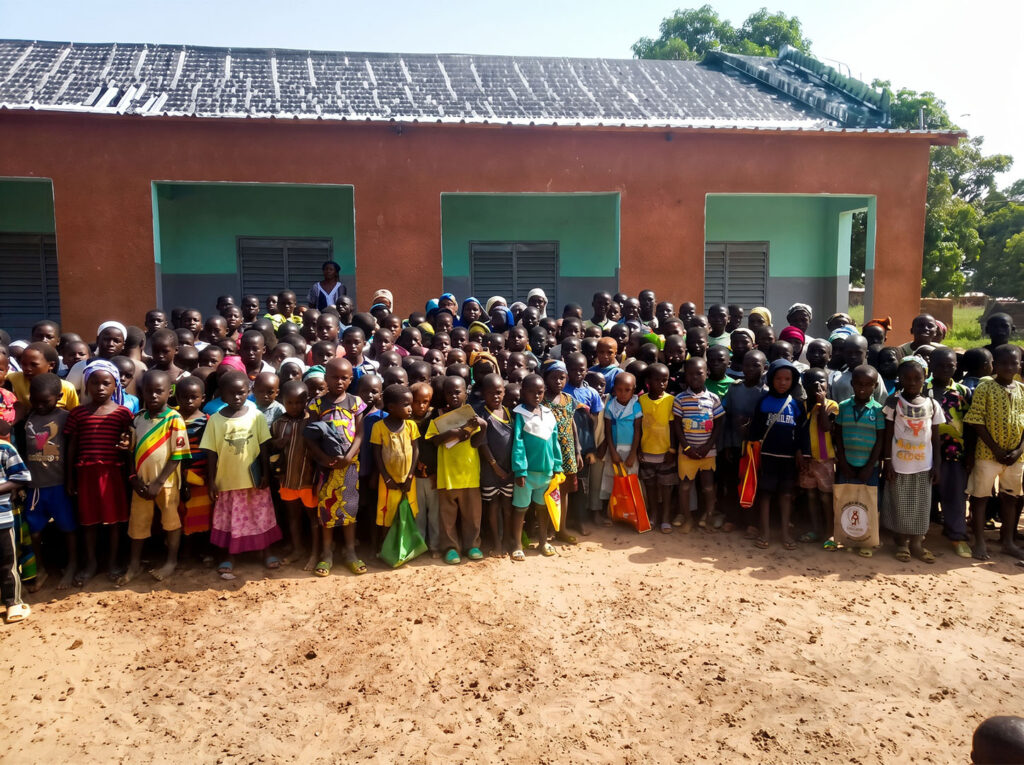
- Badalabougou, Bamako Area